Our online calendar reflects all activities, including most venue useage.

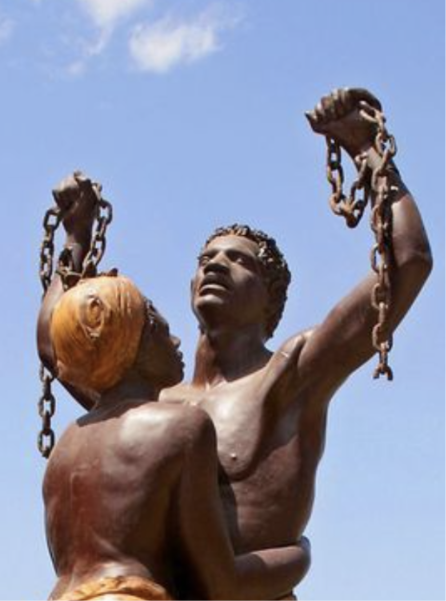
The Washington State Democratic Party is currently working on an initiative acknowledging the contributions of black enslaved people during the early years of our country. They are considering the concept of reparations for the decendants of these chattel slaves.* Want to learn more? Attend the WA: Reparations study presented by Admiral Church! You will be amazed at what you don't know! 

* "Chattel slavery" is defined as the enslaving and owning of human beings and their offspring as property, able to be bought, sold , and forced to work without wages.

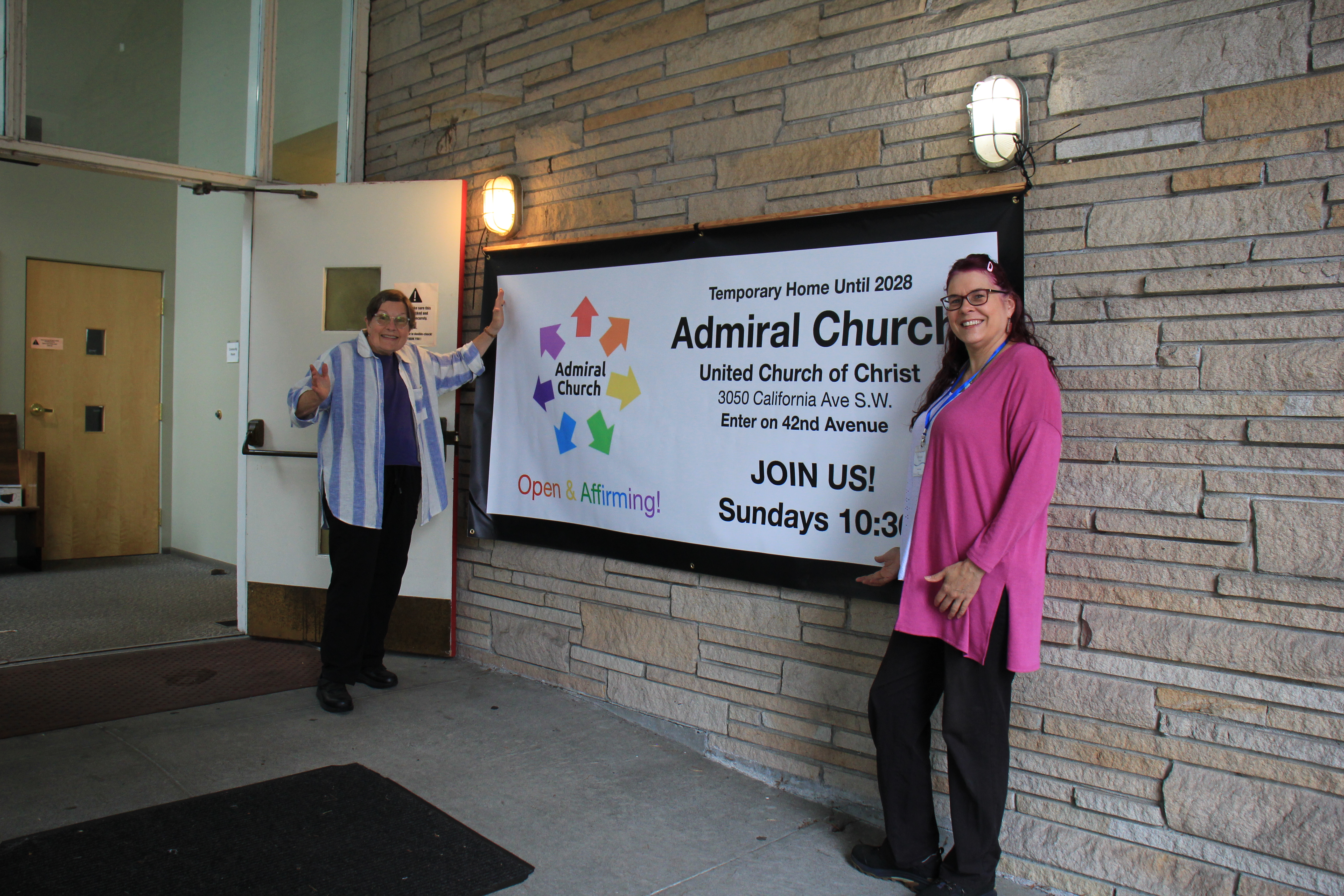
We are an intimate group of Christians who are trying to live into our values and beliefs. Sometimes doing this involves facing some uncomfortable facts. We are unafraid to take these risks. How about you?

DID YOU KNOW? 

The cotton industry's rapid expansion after the invention of the cotton gin greatly increased demand for slave labor, The total slave population in the South eventually reached four million. Much of the cotton was sent to New York City, enriching the white merchants there. 


After the Revolutionary War broke out, the British realized they lacked the manpower necessary to succeed in the war effort, so British commanders began issuing proclamations to Patriot-owned slaves, offering freedom if they fled to British lines and assisted the war effort. Such proclamations were repeatedly issued over the course of the conflict, which resulted in up to 100,000 American slaves joining British forces.
 

During most of the British colonial period, slavery existed in all the colonies. People enslaved in the North typically worked as house servants, artisans, laborers, and craftsmen, mostly in cities. Many men worked on the docks and in shipping. In 1703, more than 42% of New York City households held enslaved people in bondage, the second-highest proportion of any city in the colonies
 

Many of the Founding Fathers of the United States were plantation owners who owned large numbers of enslaved laborers; the original Constitution preserved their right to own slaves, and granted them a political advantage by so doing. Although the enslaved of the early Republic were considered non-sentient property, were not permitted to vote, and had no rights to speak of, they were to be enumerated in population censuses and counted as three-fifths of a person for the purposes of representation in the national legislature, the U.S. Congress.
 

INTERESTED IN LEARNING MORE? JOIN US BEGINNING SEPTEMBER 24TH ON ZOOM. 


Save the dates! More details to follow
-- including resources and registration